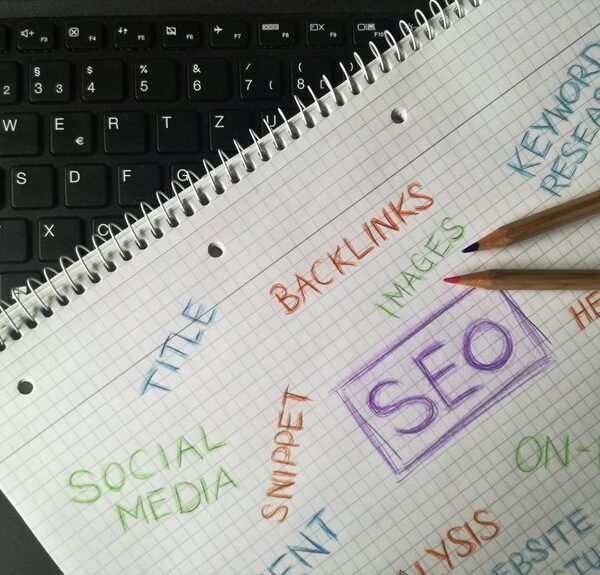
SEO Performance 641977497 illustrates the critical role of on-page optimization in digital marketing strategies. By focusing on specific elements like keyword integration, meta tags, and internal linking, the website enhances its search engine rankings and overall user experience. This analytical approach not only boosts visibility but also promotes user engagement. Understanding these components is essential for those looking to improve their online presence and achieve substantial results in a competitive landscape. What strategies will prove most effective?
What Is On-Page Optimization and Why It Matters?
On-page optimization refers to the practice of enhancing individual web pages to improve their search engine rankings and user experience.
This process involves strategic keyword research to identify relevant terms that resonate with users.
Key Components of Effective On-Page Optimization: Content, Meta Tags, and Internal Links
Effective on-page optimization hinges on three critical components: content, meta tags, and internal links.
The quality of content significantly impacts user engagement and search rankings, necessitating a careful balance of keyword density to avoid penalties.
Meta tags provide crucial context for search engines, while internal links enhance navigation and authority, collectively fostering a cohesive, user-friendly experience that empowers audiences seeking independence in information access.
On-Page Optimization: Meta Tags for Enhanced Visibility
Meta tags frequently play a pivotal role in enhancing a website’s visibility within search engine results.
Employing effective meta tag strategies, such as optimizing title tags and descriptions, can significantly improve click-through rates.
Additionally, incorporating relevant keywords within these tags aligns with visibility techniques that attract organic traffic.
Ultimately, a strategic focus on meta tags fosters greater online presence and user engagement, allowing for a more liberated digital experience.
How Internal Linking Improves On-Page Optimization
Although often overlooked, internal linking serves as a critical component of on-page optimization, enhancing both user experience and search engine crawlers’ ability to navigate a website.
Effective internal link strategies utilize relevant anchor text to create a clear hierarchy and context, guiding users seamlessly through content while distributing link equity.
This fosters improved site authority, ultimately contributing to higher search engine rankings and user engagement.
Conclusion
In conclusion, effective on-page optimization is crucial for enhancing SEO performance, as it fine-tunes individual web pages to achieve higher search engine rankings and improved user engagement. By focusing on key components such as quality content, optimized meta tags, and strategic internal linking, websites can create a more satisfying digital experience. As the adage goes, “Well begun is half done,” emphasizing that a strong foundation in on-page practices can significantly pave the way for long-term success in the digital landscape.