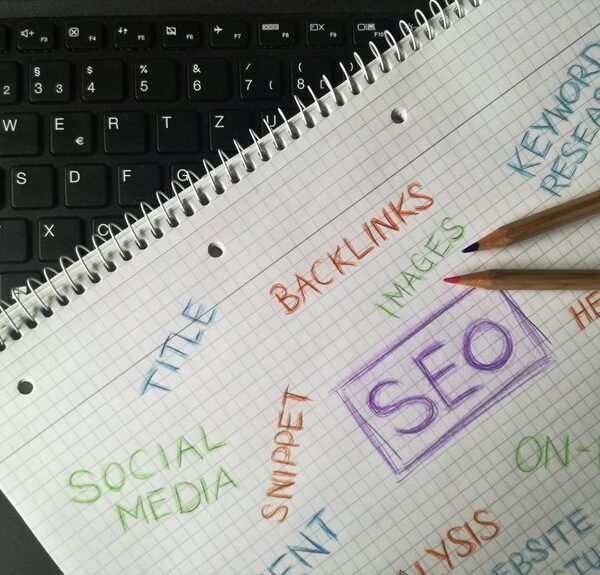
Internal linking plays a critical role in enhancing the performance of page 570035251. By strategically connecting related content, it can improve user navigation and increase the page’s authority. Descriptive anchor text not only aids in user engagement but also helps search engines decipher content relationships. However, leveraging internal links effectively requires careful planning. Understanding the nuances of this strategy may reveal surprising opportunities for optimization. What specific tactics can be employed to maximize impact?
The Role of Internal Linking in Enhancing Page Performance
Internal linking serves as a crucial mechanism for enhancing page performance within a website.
By strategically connecting related content, internal linking distributes page authority across the site, improving the visibility of individual pages.
This practice not only facilitates user navigation but also encourages search engines to index content more effectively, ultimately fostering an environment where freedom of information thrives and site performance is maximized.
Top Tips for Effective Internal Linking
Effective internal linking strategies can significantly enhance a website’s overall performance by optimizing the way users and search engines navigate content.
Employing strategic placement of links within relevant pages ensures that users discover valuable information seamlessly.
Additionally, utilizing descriptive anchor text not only improves user experience but also aids search engines in understanding content relationships, ultimately driving organic traffic and enhancing search visibility.
Avoid These Common Internal Linking Mistakes
While many website owners recognize the importance of internal linking, they often overlook common pitfalls that can undermine their efforts. A poorly executed linking strategy can confuse users and search engines alike.
Overusing generic anchor text diminishes relevance, while failing to prioritize meaningful links can dilute webpage authority.
Strategic internal linking requires careful consideration to enhance user experience and optimize SEO performance effectively.
Successful Internal Linking Examples for SEO
When implemented thoughtfully, successful internal linking can significantly enhance a website’s SEO performance and user experience.
A well-defined link structure, utilizing relevant anchor text, guides users seamlessly through content, boosting engagement. For instance, linking blog posts to related articles or product pages helps distribute authority and relevance.
Strategic internal linking not only improves crawlability but also empowers visitors to explore freely, enriching their overall experience.
Conclusion
In the grand tapestry of web performance, strategic internal linking emerges as the golden thread, weaving together content and elevating page authority to stratospheric heights. By deftly connecting related topics, websites can transform their user experience from mundane to mesmerizing, captivating visitors and search engines alike. The potential for organic traffic to soar is not just a possibility but a certainty for those who master the art of internal linking. Thus, embracing this technique is not merely beneficial—it is essential for digital triumph.