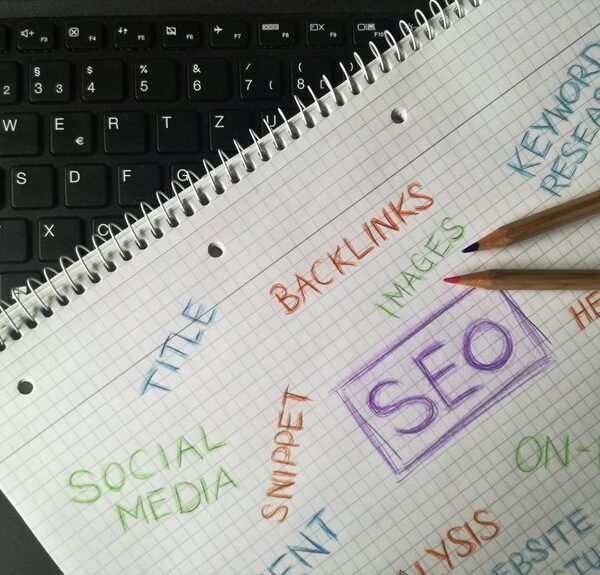
The case of website performance 120336362 reveals the critical role of internal linking strategies. By implementing a structured link framework and using descriptive anchor text, users experience improved navigation. This method not only enhances user engagement but also has favorable implications for SEO metrics. However, the nuances of internal linking extend beyond mere structure. Understanding its comprehensive impact on user behavior and site performance invites further exploration.
Understanding Internal Linking: Why It Matters for Your Website
Although many website owners may overlook internal linking, it plays a crucial role in enhancing website performance and user experience.
Effective linking strategies can significantly improve user navigation, guiding visitors seamlessly through related content. By establishing clear pathways within a site, owners empower users to explore information freely, thereby increasing engagement and retention.
Ultimately, strategic internal linking is fundamental to a site’s overall success.
Key Techniques for Successful Internal Linking
Mastering internal linking requires a strategic approach that prioritizes both user experience and search engine optimization.
Key techniques include establishing a clear link structure that guides users intuitively through content. Effective use of descriptive anchor text enhances relevance and encourages engagement.
Why Internal Linking Matters for Your Users?
How does internal linking enhance user experience on a website?
It strategically guides users through relevant content, improving user navigation and fostering engagement.
By creating a seamless flow of information, internal links empower users to explore topics freely, leading to deeper understanding and satisfaction.
This not only bolsters the overall user experience but also encourages prolonged interaction with the site’s offerings.
Measuring the Impact of Internal Linking on SEO and Traffic
Internal linking not only enhances user experience but also plays a significant role in optimizing a website’s search engine performance and increasing traffic.
Effective traffic analysis can reveal how internal linking affects page authority and user navigation patterns. By strategically implementing internal links, website owners can improve SEO rankings, reduce bounce rates, and ultimately drive more organic traffic to their sites.
Conclusion
In conclusion, the strategic implementation of internal linking significantly enhances website performance, as demonstrated by case 120336362. Notably, websites with effective internal linking structures can experience up to a 50% increase in page views per session. This statistic underscores the crucial role of internal linking not only in improving user navigation but also in optimizing SEO outcomes. By prioritizing internal linking strategies, websites can foster deeper engagement and drive sustained organic traffic, ultimately leading to improved overall performance metrics.